A Rosary That Holds the World
In February 1951, a few months after taking charge of the Society for the Propagation of the Faith in the United States, Fulton Sheen went on the air and asked his listeners to do something unusual.
He asked them to stop praying for themselves.
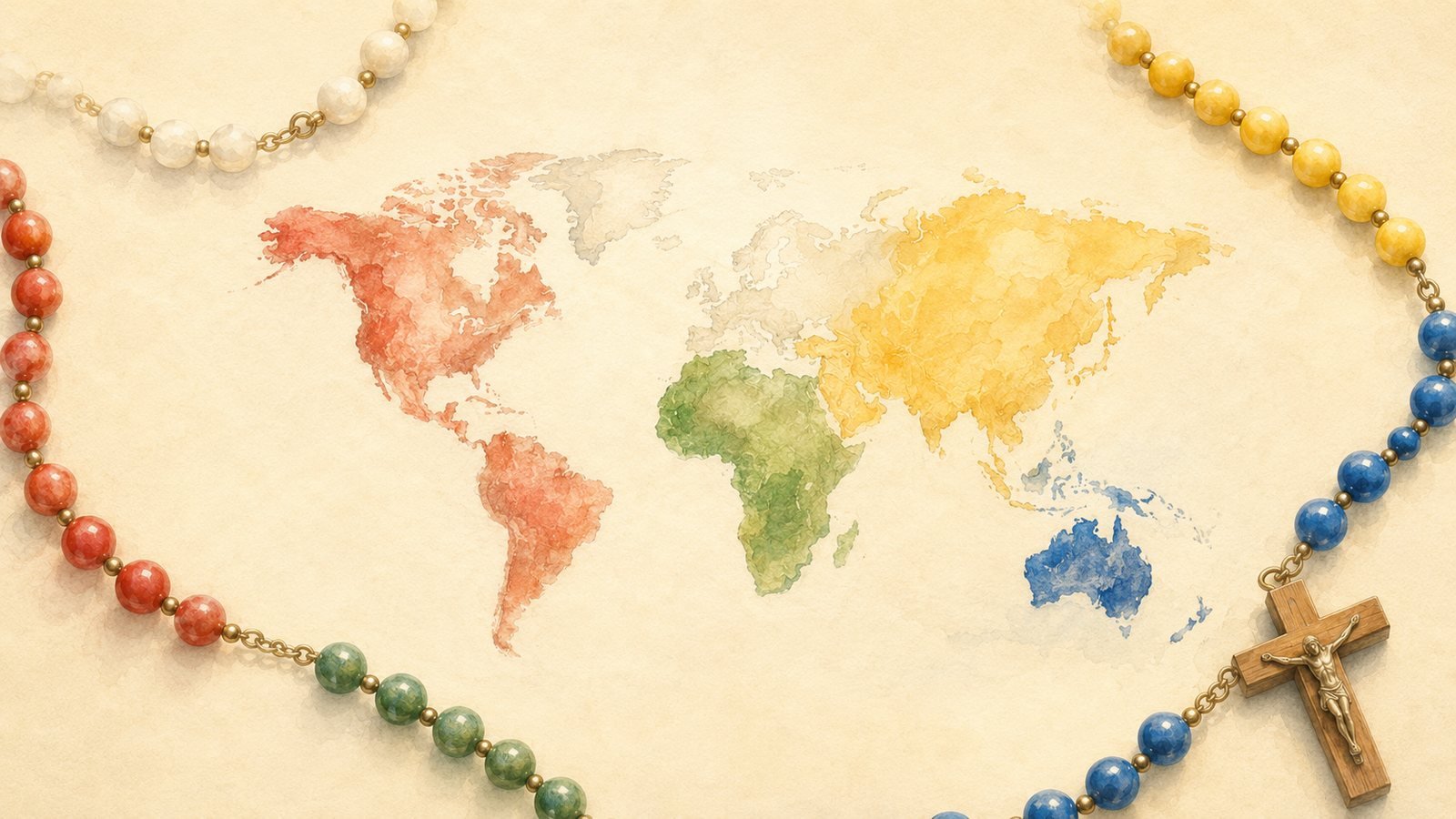
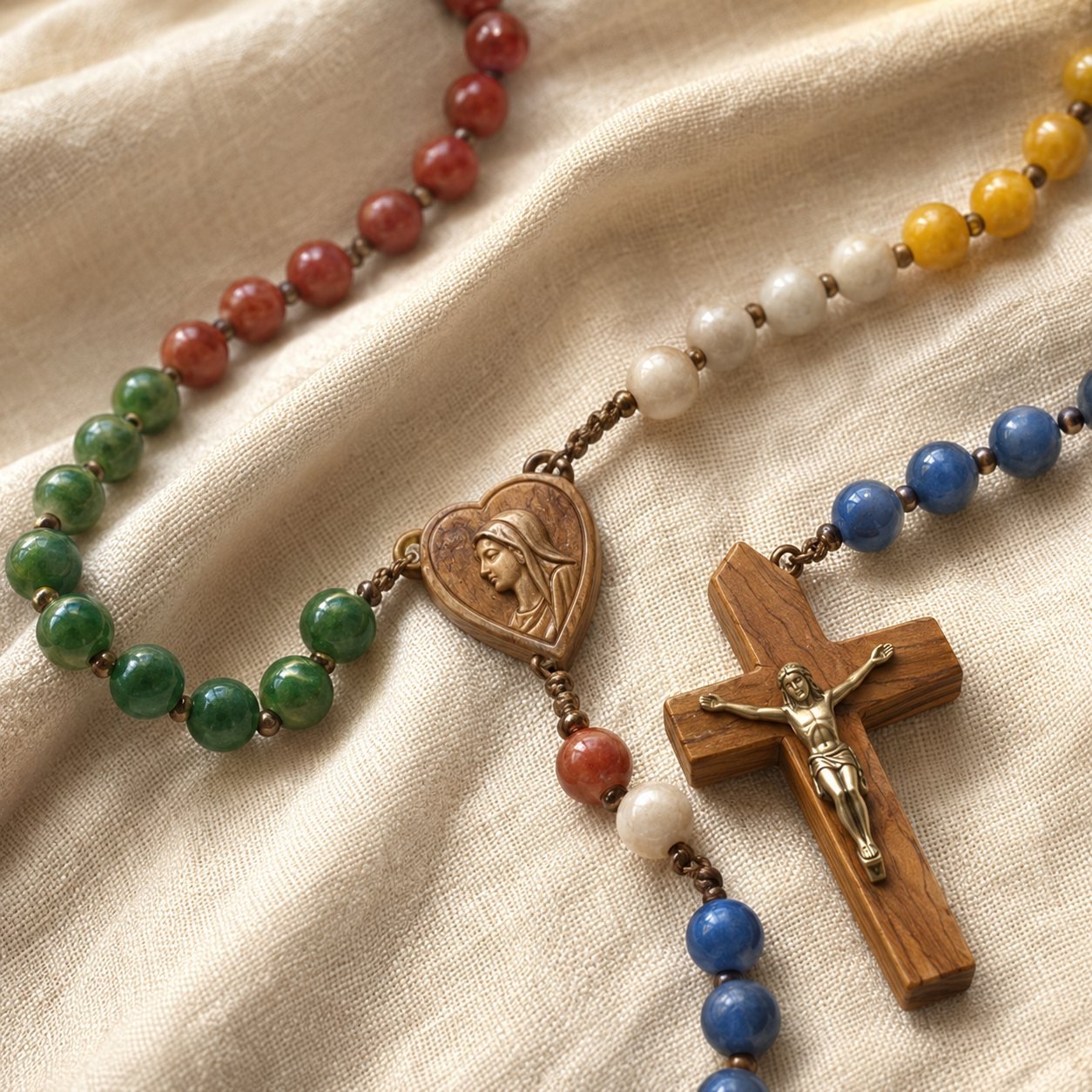
Not permanently, and not entirely. But he had noticed something about the way most people pray, which is that our intentions tend to shrink to the size of our own lives. His remedy was characteristically simple. He designed a rosary with five decades in five different colours, one for each of the five continents, and he announced it on The Catholic Hour, the radio programme he had been presenting for twenty years.
His reason fits in a single line: we must pray, and not for ourselves, but for the world.
It was not a novelty. It was a map. A person who finishes the World Mission Rosary has, without hurrying and without leaving the chair, carried every continent to Our Lady.
Sheen hoped it would do two things at once. He wanted Catholics to hold the missions in their prayer, and he wanted them to support the missions in fact. He never treated those as separable.
The Five Colours
Each decade carries a colour, and each colour carries a place.
Green: Africa
For its forests and its grasslands.
Blue: The Islands of the Pacific
For the ocean that surrounds them.
White: Europe
For the Holy Father, shepherd of the whole Church, who wears white.
Red: The Americas
For the fire of faith that the first missionaries carried there.
Yellow: Asia
For the morning light of the East.
Pray them in that order, or in any order you like. What matters is that by the end you have been everywhere.
How to Pray It
The World Mission Rosary is an ordinary rosary. Nothing about the prayers changes. Only the intention does.
1. Make the Sign of the Cross and pray the Apostles' Creed.
2. Pray one Our Father, three Hail Marys and one Glory Be.
3. For each of the five decades, announce the mystery, name the continent whose colour you have reached, and offer that decade for it. Then pray one Our Father, ten Hail Marys and one Glory Be.
4. Close with the Hail Holy Queen.
The mysteries follow the ordinary week: Joyful on Monday and Saturday, Sorrowful on Tuesday and Friday, Glorious on Wednesday and Sunday, Luminous on Thursday.
A small note on the Luminous mysteries. Sheen designed this rosary in 1951, half a century before Saint John Paul II proposed the Mysteries of Light in 2002. They are prayed on the same five coloured decades, and the missionary intention is unchanged.
The Prayers
The Apostles' Creed
I believe in God, the Father almighty, Creator of heaven and earth, and in Jesus Christ, his only Son, our Lord, who was conceived by the Holy Spirit, born of the Virgin Mary, suffered under Pontius Pilate, was crucified, died and was buried; he descended into hell; on the third day he rose again from the dead; he ascended into heaven, and is seated at the right hand of God the Father almighty; from there he will come to judge the living and the dead.
I believe in the Holy Spirit, the holy catholic Church, the communion of saints, the forgiveness of sins, the resurrection of the body, and life everlasting. Amen.
The Our Father
Our Father, who art in heaven, hallowed be thy name; thy kingdom come; thy will be done on earth as it is in heaven. Give us this day our daily bread; and forgive us our trespasses as we forgive those who trespass against us; and lead us not into temptation, but deliver us from evil. Amen.
The Hail Mary
Hail Mary, full of grace, the Lord is with thee. Blessed art thou among women, and blessed is the fruit of thy womb, Jesus.
Holy Mary, Mother of God, pray for us sinners, now and at the hour of our death. Amen.
The Glory Be
Glory be to the Father, and to the Son, and to the Holy Spirit. As it was in the beginning, is now, and ever shall be, world without end. Amen.
The Fatima Prayer
Often added after the Glory Be.
O my Jesus, forgive us our sins, save us from the fires of hell, and lead all souls to heaven, especially those in most need of thy mercy. Amen.
The Hail Holy Queen
Hail, holy Queen, Mother of mercy, our life, our sweetness and our hope. To thee do we cry, poor banished children of Eve. To thee do we send up our sighs, mourning and weeping in this valley of tears.
Turn then, most gracious advocate, thine eyes of mercy toward us, and after this our exile show unto us the blessed fruit of thy womb, Jesus.
O clement, O loving, O sweet Virgin Mary.
V. Pray for us, O holy Mother of God. R. That we may be made worthy of the promises of Christ.
Before You Begin
Sheen's idea was never that you should feel the weight of five continents at once. It was that prayer, like charity, grows by being aimed somewhere.
So pick up the green beads and think of a particular forest, a particular family, a particular priest in a particular parish in Africa. Then move on. By the end you will have gone round the world, and you will have done it on your knees.
One Prayer, the Whole World
When Archbishop Fulton J. Sheen introduced the World Mission Rosary, he envisioned something far greater than a personal devotion: a prayer that could unite the whole world in faith. Each decade of this Rosary is dedicated to a different continent, so that praying it becomes a way of encircling the globe in hope and love, carrying every people and culture before God.
The Mysteries, with Mission Intentions
The intentions below are suggestions. Use them, or replace them with whatever the world has put on your heart this week.
The Joyful Mysteries
Monday and Saturday
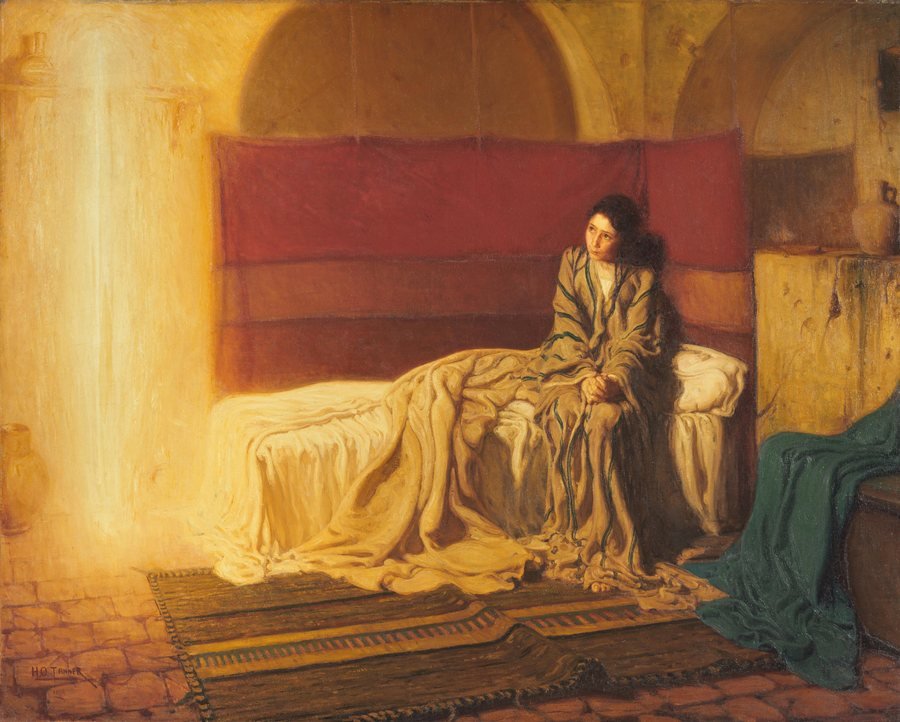
1. The Annunciation
For those who have still never heard the name of Jesus, that the news first brought to Mary may at last reach them.
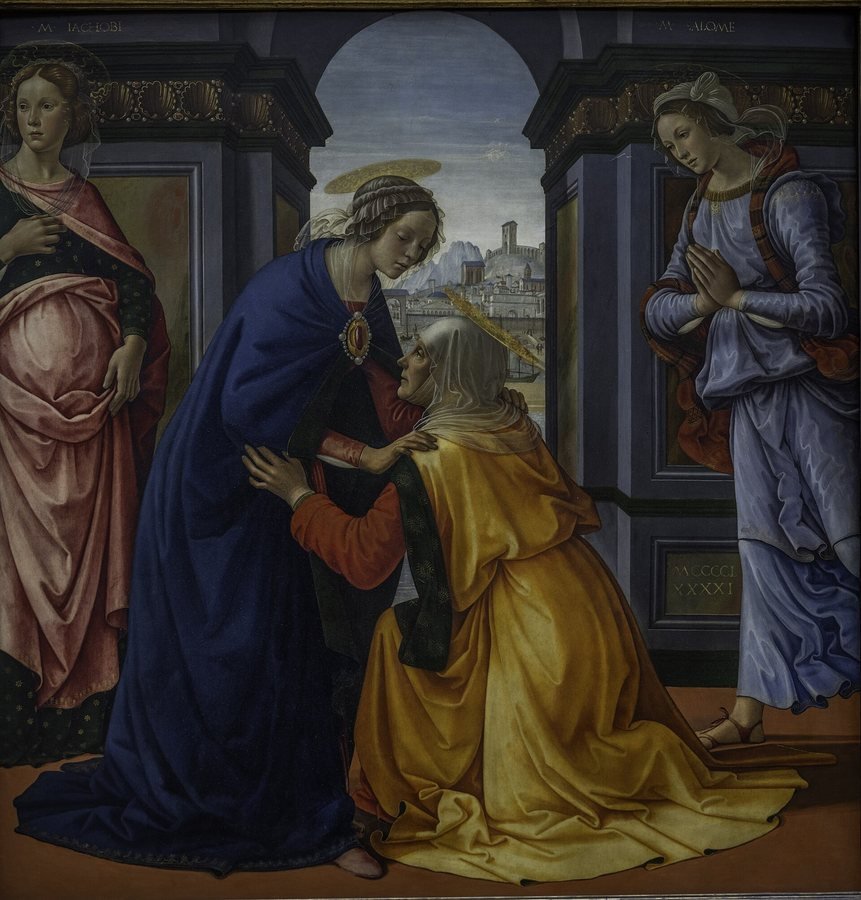
2. The Visitation
For missionaries on long roads and in difficult places, that they may carry Christ as Mary carried him, in haste and without fear.
3. The Nativity
For children born into poverty, war and displacement, that they may find in Christ the home the world has not given them.
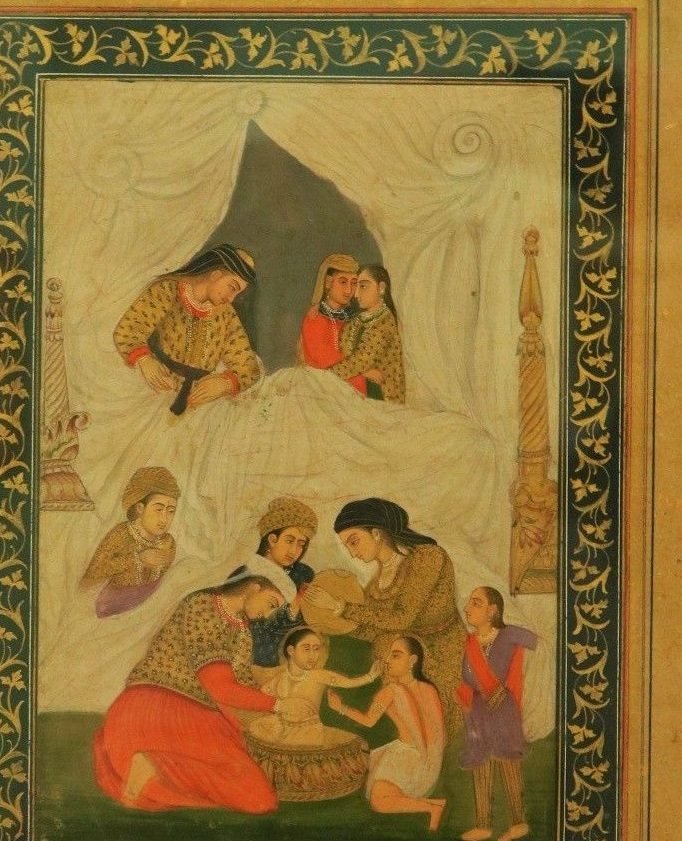
4. The Presentation
For families in mission lands, that their ordinary daily fidelity may preach more loudly than any sermon.
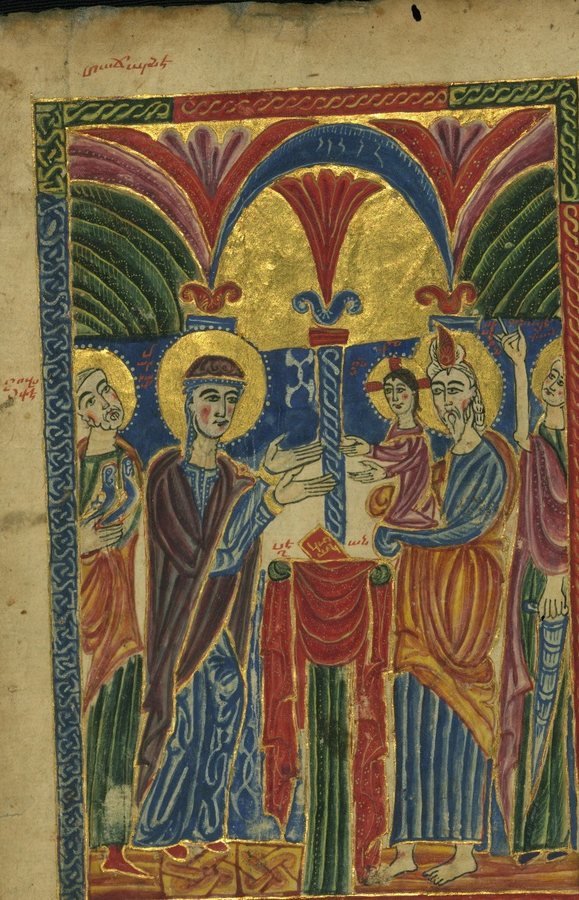
5. The Finding in the Temple
For everyone who has drifted from the faith they were given, that they may be sought until they are found.
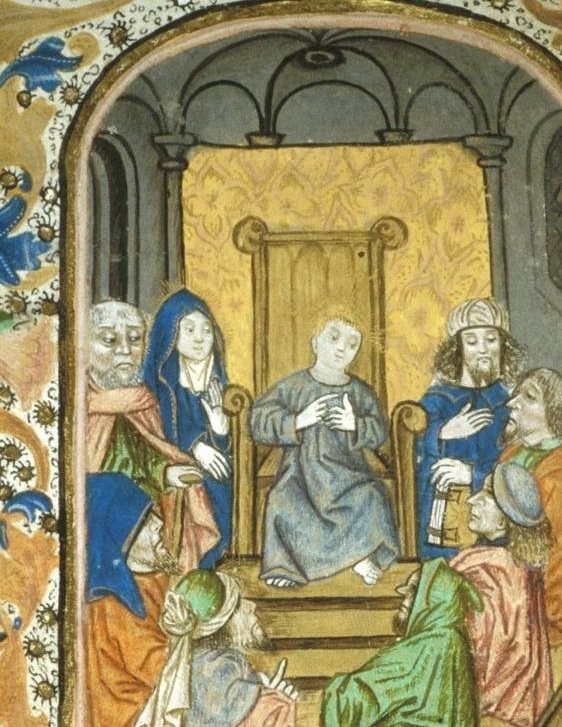
The Sorrowful Mysteries
Tuesday and Friday
1. The Agony in the Garden
For Christians who will pray tonight in fear, that they may know the Lord is kneeling beside them.
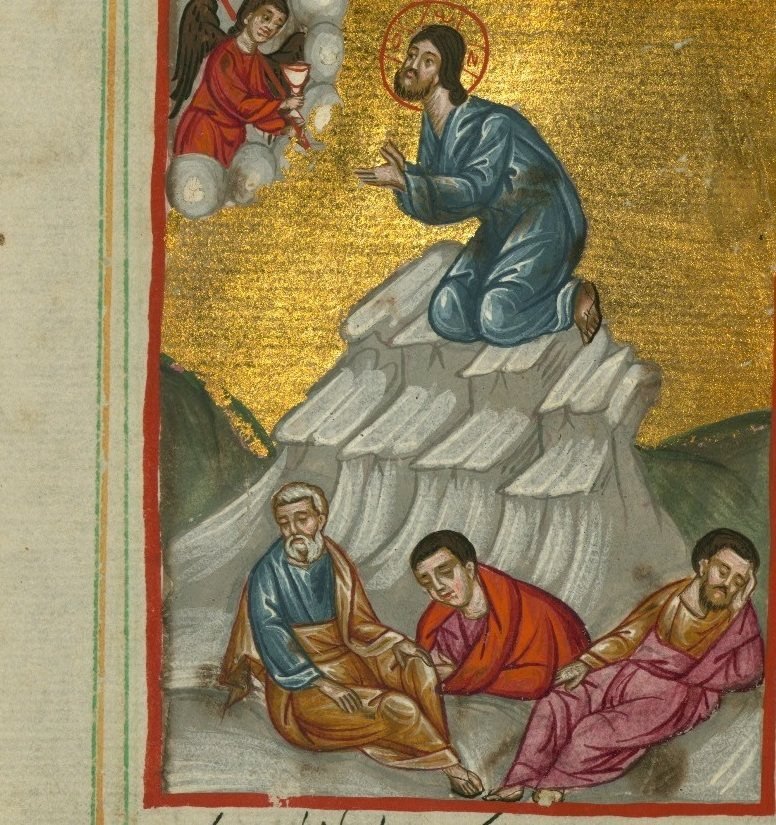
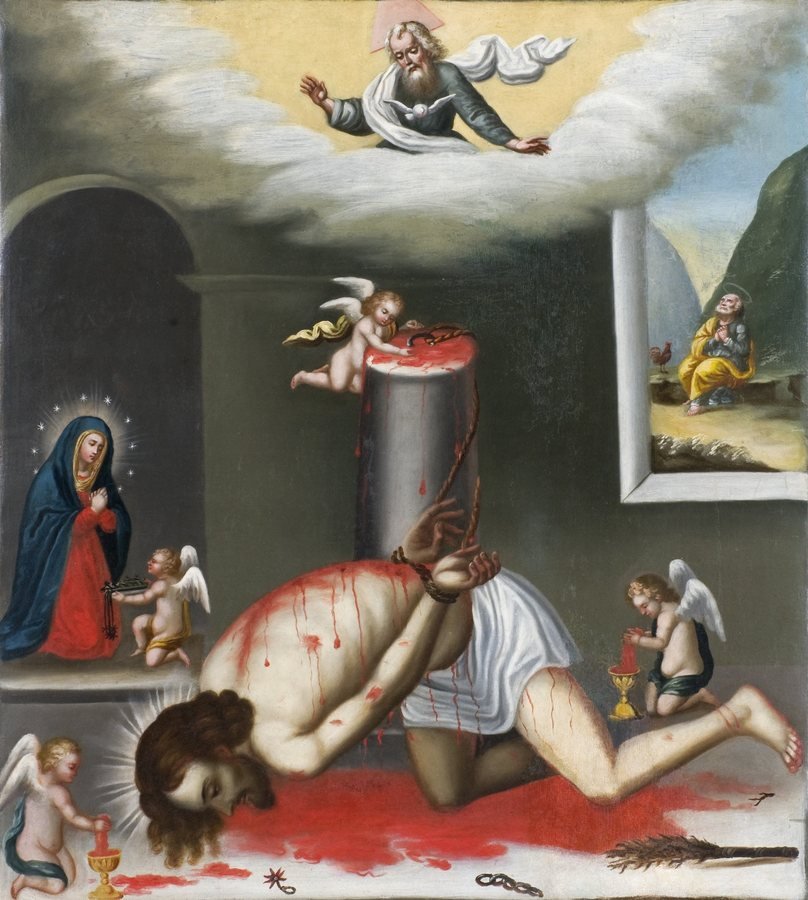
2. The Scourging at the Pillar
For the hungry, that what we go without may become bread for them.
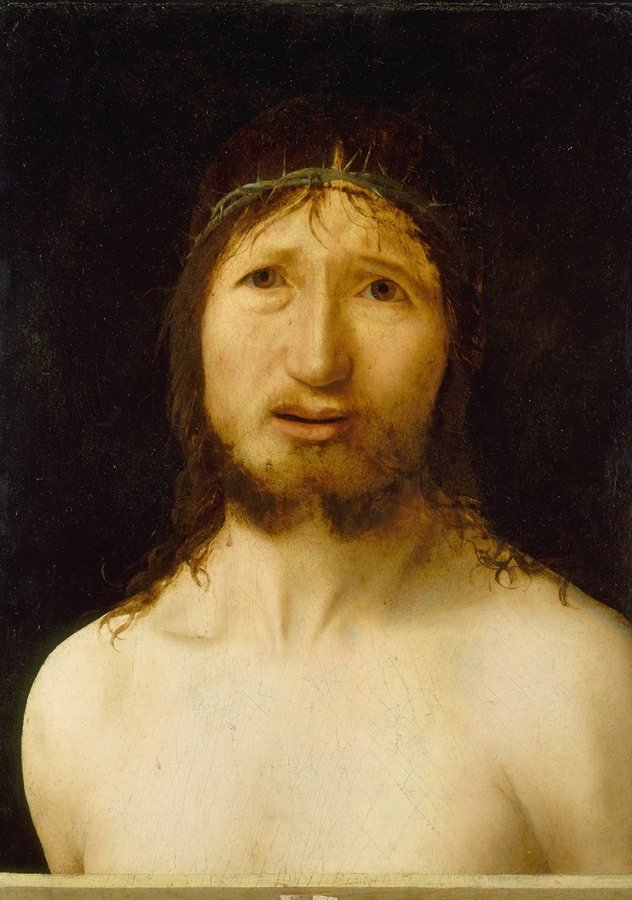
3. The Crowning with Thorns
For refugees, for the imprisoned, and for all who have run out of hope, that hope may be given back.
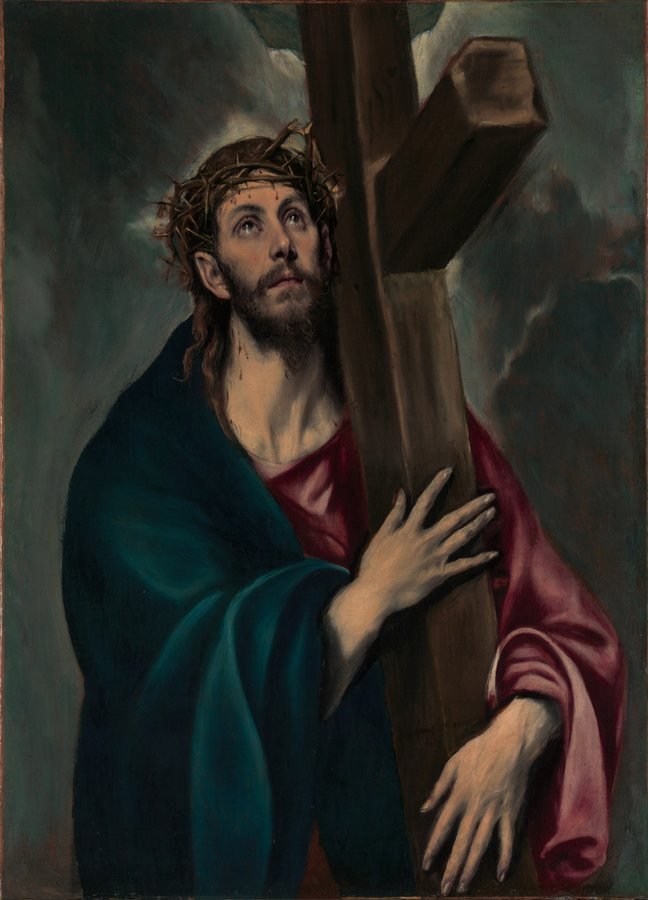
4. The Carrying of the Cross
For the Church in the wealthy nations, that we may take a real share of the weight our brothers and sisters are carrying.
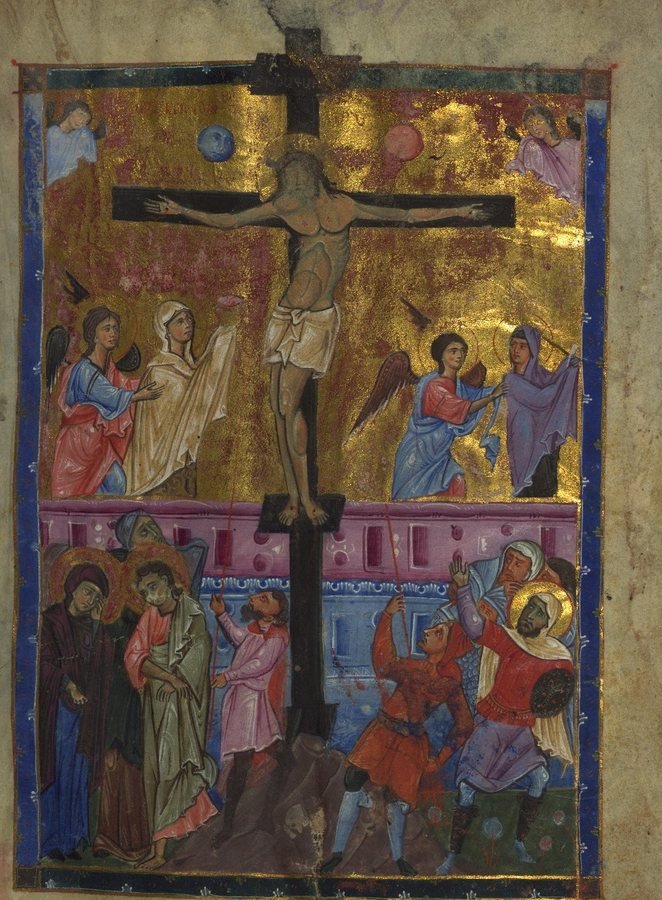
5. The Crucifixion
For all who hunger and thirst for justice, that they may find it, and find it without bloodshed.
The Glorious Mysteries
Wednesday and Sunday
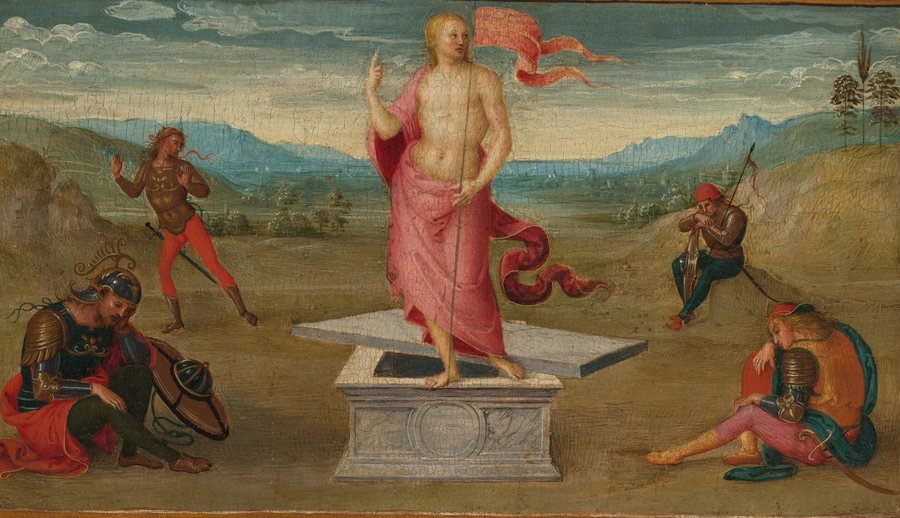
1. The Resurrection
For the whole Church, that our joy in the risen Christ may be visible enough to draw others to him.
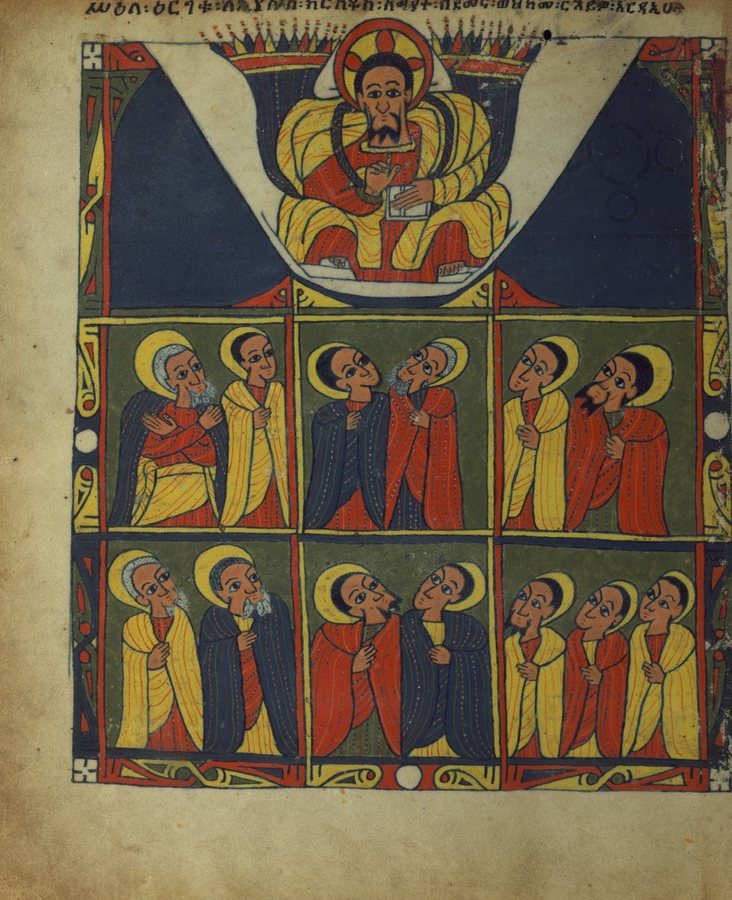
2. The Ascension
For the dying, and for those who sit with them, that they may be given the knowledge of the way home.
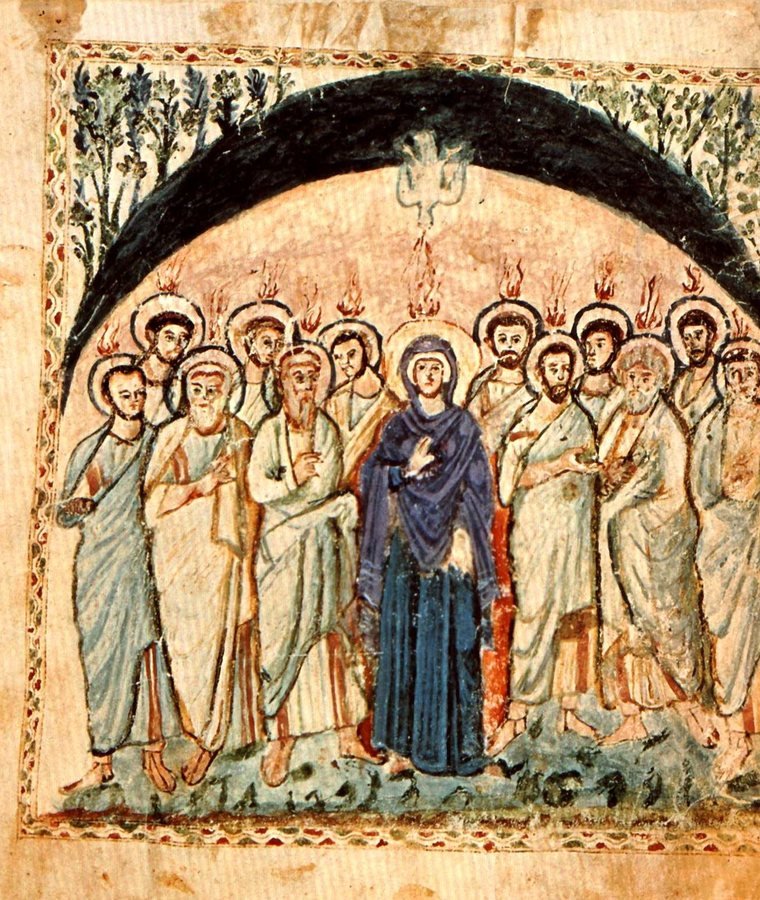
3. The Descent of the Holy Spirit
For the Holy Father, that he may be given wisdom, courage and holiness as he leads the Church.
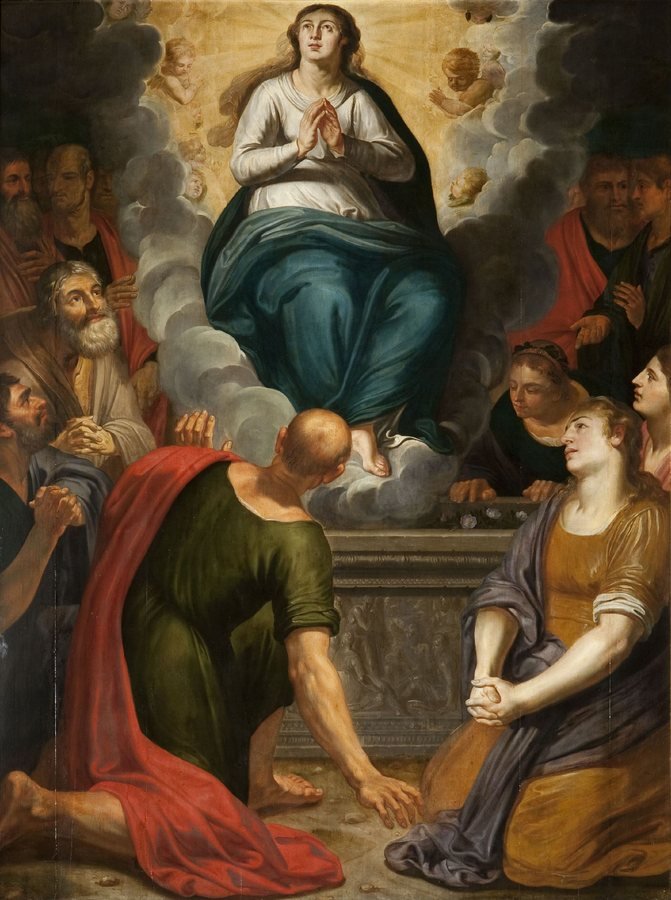
4. The Assumption
For all who carry Christ into the world, that Mary, who carried him first, may form them.
5. The Coronation of Our Lady
For vocations to the priesthood and the religious life, especially in mission territories where the harvest is great and the labourers few.
The Luminous Mysteries
Thursday
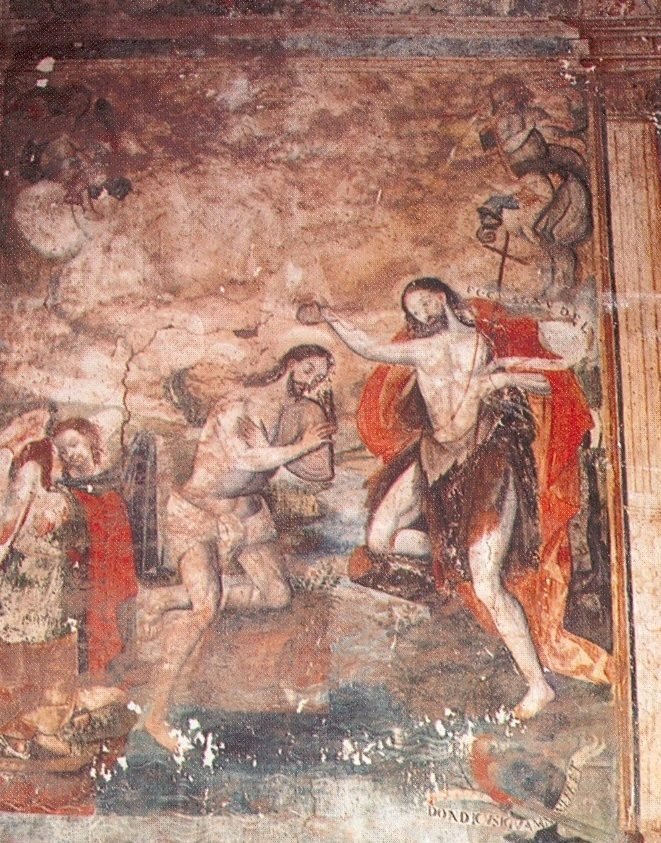
1. The Baptism in the Jordan
For catechumens across the world preparing for baptism, and for those who teach them.
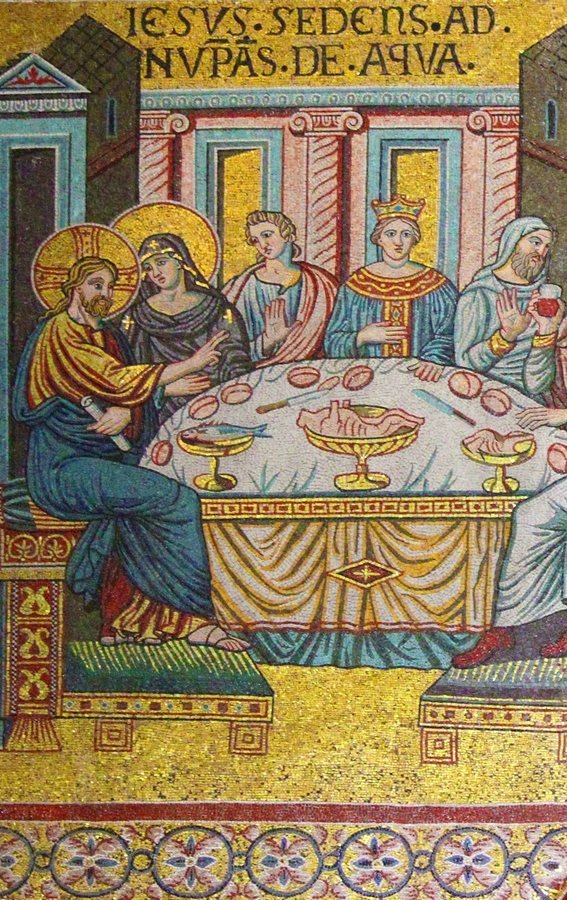
2. The Wedding at Cana
For marriages under strain, and for the poor who share what little they have with the poorer.
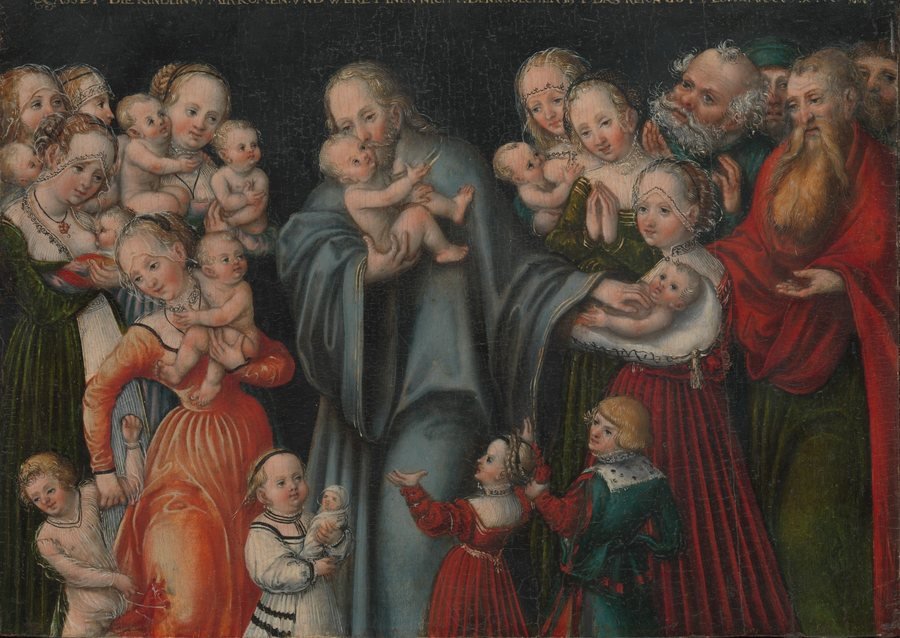
3. The Proclamation of the Kingdom
For every village and every city where the Gospel has not yet been preached, and for those willing to go there.
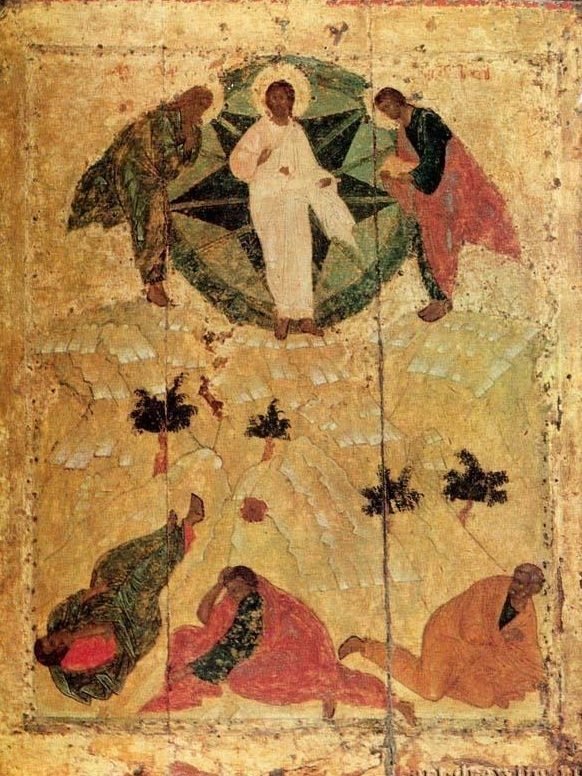
4. The Transfiguration
For Christians who have lost everything except their faith, that they may be given a glimpse of the glory ahead of them.
5. The Institution of the Eucharist
For World Mission Sunday, kept each year on the second-to-last Sunday of October, and for all who are sent out from the altar to continue the mission of Christ.